Grade
Match the Sold Secure grade your policy names — often Gold, sometimes Diamond. Then check the insurer’s approved-lock list; a badge on its own isn’t always enough.
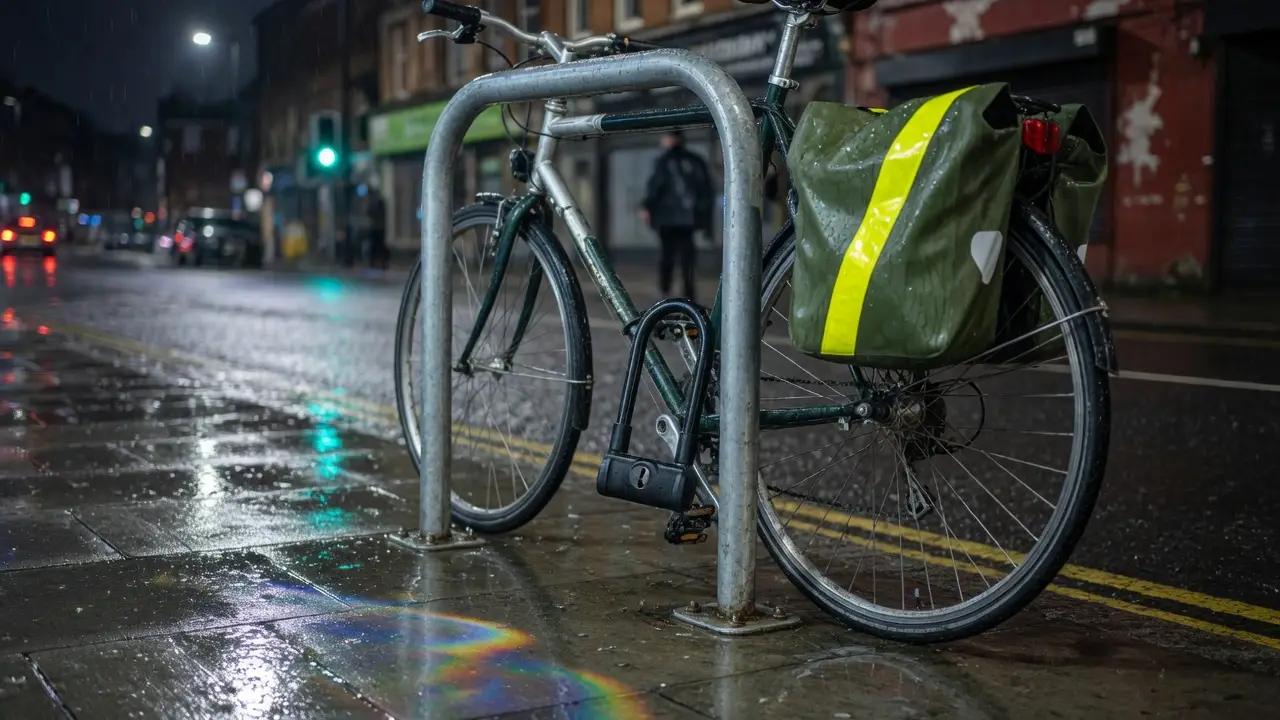
D-locks and chains · UK
We’ll help you pick a lock you’ll still take to work. It’s a small UK comparison of thirteen D-locks and chains: Sold Secure grade, whether it’ll close on your stand, and how heavy it is to carry.
Lock DeskFind a lock
Lock finder
Answer three short questions — grade, where you lock up, and how you’ll carry — and you’ll get one suggestion from the locks we’ve reviewed. It’s a starting point, not a claim that one lock fits every bike.
What grade does your insurance ask for?
Where will you lock the bike?
Will you take the lock with you every day?
Answer the three questions
Tell us the grade you need, where you lock up, and how you’ll carry the lock. We’ll then suggest one lock from the set we’ve reviewed.
Lock DeskA lock to start with
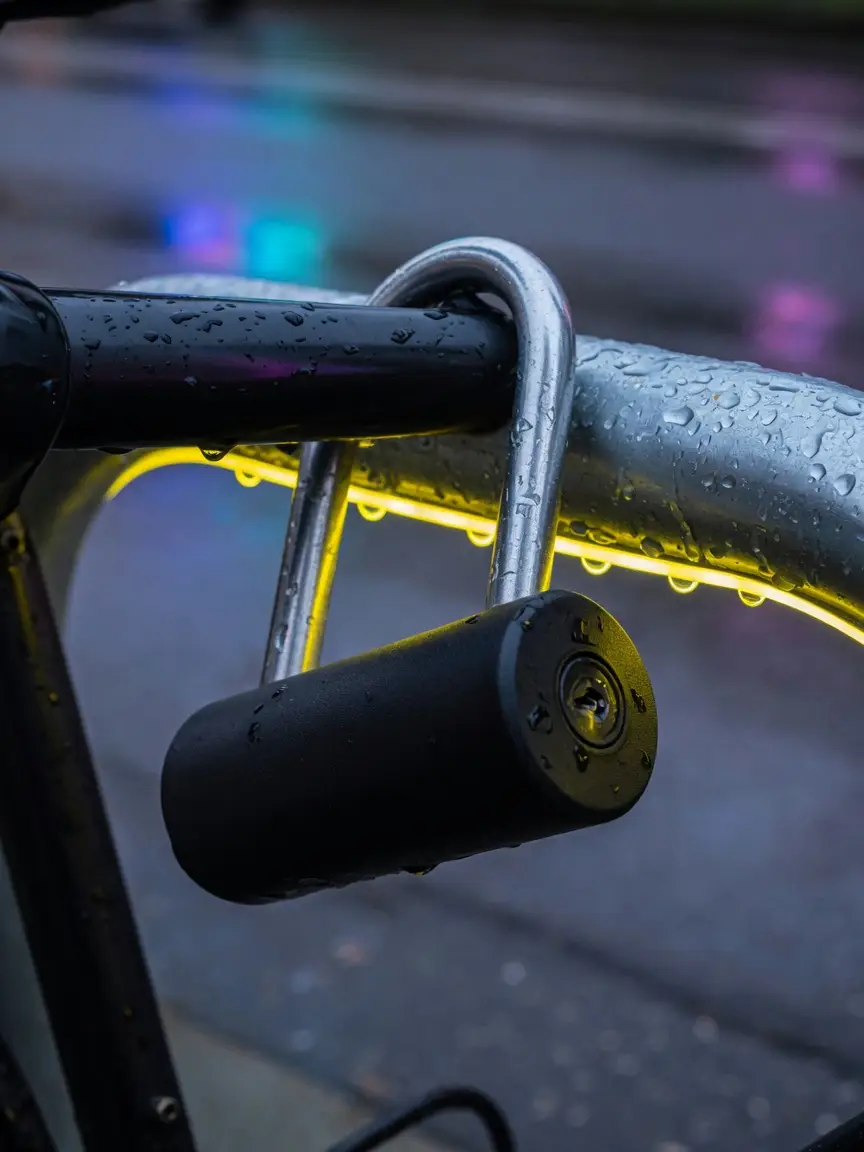 Illustrative image
Why this one. Sold Secure Diamond for ordinary bikes and e-bikes, sold as anti-angle-grinder, 1.93kg, with a 92 × 155 mm locking area. We put it here because insurance often wants Diamond and it still packs into a bag.
Who it suits. Higher-value bikes and e-bikes parked in public, where Gold isn’t enough for your policy. If Gold is enough, a lighter lock may be easier to carry every day.
What to watch for. The locking area is small and there’s no frame mount in the box. Measure your stand and your frame before you buy.
Also worth a look. Hiplok DX1000 if you need the same Diamond grade with a larger 112 × 205 mm locking area and can carry 2.75kg.
Diamond (ordinary bikes)
Diamond with a frame mount in the box, and more room inside the shackle than the Mini-7.
Sold Secure Gold
The straightforward choice for a weekday commute when Gold is enough. It has a frame mount and cable and weighs 1.61kg.
Sold Secure Diamond
For high-theft streets — but only after you have measured the stand and confirmed the small shackle will close.
Diamond (ordinary bikes)
The long shackle makes this useful when a compact D-lock will not reach around the stand. It is Diamond rated for ordinary bikes, but check the e-bike grade if that applies to you.
Sold Secure Gold
Gold folding reach on the bike when a Mini will not close. At 120 cm it still clips on, if you would rather not leave a chain at home.
Diamond (ordinary bikes)
The 4.9kg weight makes this much more suitable for use at home than for a daily commute.
Sold Secure Diamond
When the policy names Diamond and you still need a weekday carry, start here — about 1.7kg.
Read the reviewNot currently available on Amazon UK
Seven locks on the shortlist, from the thirteen we’ve reviewed. Open the shortlist table
There are thirteen full reviews under bike lock reviews, including the Seatylock Mason 140 for Pedal Cycle Diamond at about 0.97kg, and the New York Fahgettaboudit Mini. The Mini is an 18 mm Sold Secure Gold lock at 2.06kg with no frame mount. For most daily commuting we’d point you to the Evolution Mini-7 instead, because it’s lighter and it includes a mount. If you’re still deciding, see alternatives to the New York Mini.
GuidesCommuting and insurance
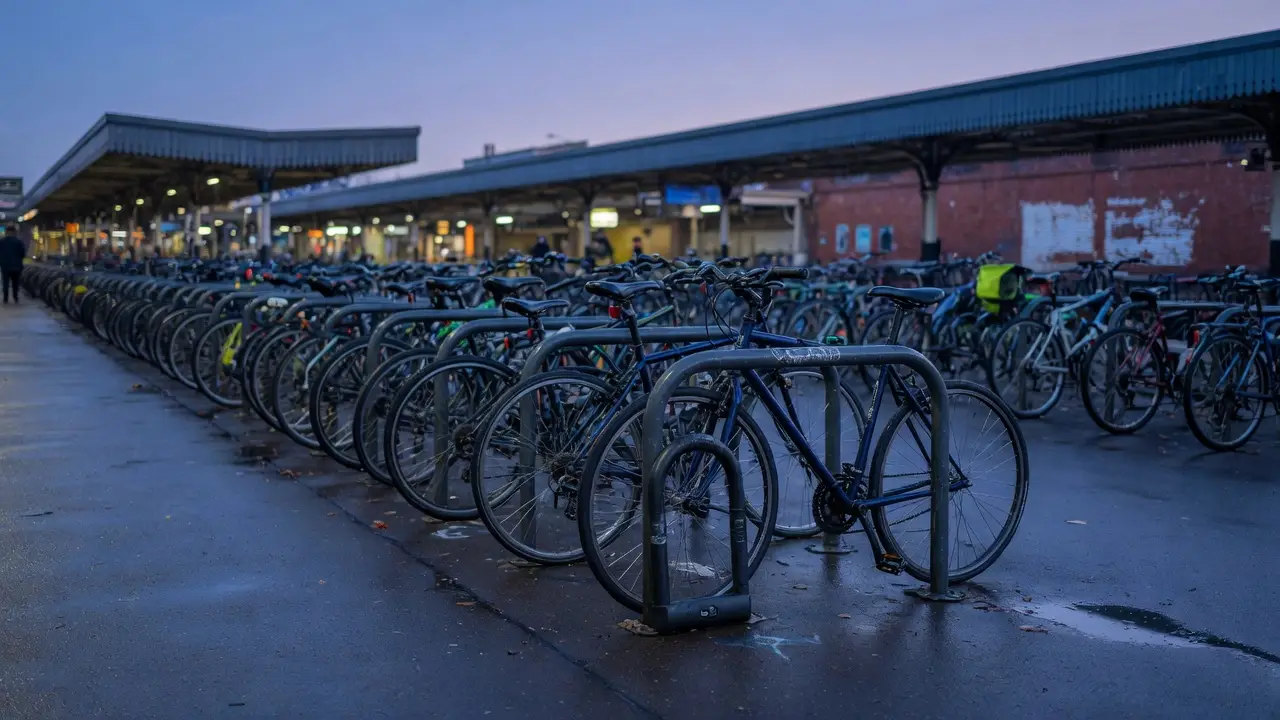
Commuting
For most commuters, a Gold compact D-lock with a frame clip works well. Step up to Diamond if the bike is expensive enough that the extra grade matters and you’ll still carry the weight.
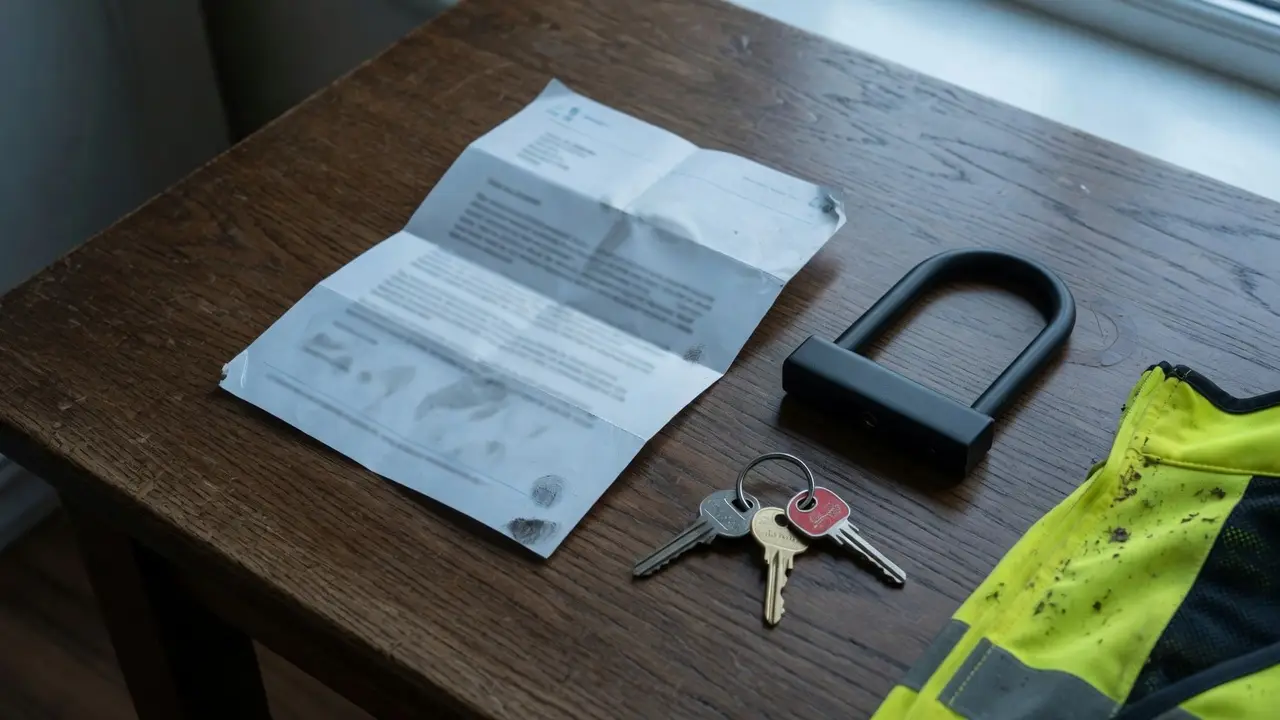
Insurance
Match the Sold Secure grade on your policy, then check the insurer’s approved-lock list. A badge on its own isn’t always enough.
There’s no single best UK bike lock — match Sold Secure grade, fit and carry. The FAQ below covers Gold vs Diamond, insurer lists, and D-lock vs chain.
No. The right lock matches the Sold Secure grade on your policy, closes on the stand you use, and is light enough that you still take it. Start with how to choose, then the best of table.
Read the wording you signed. Many UK household policies still name Gold. Some e-bike and high-value policies ask for Diamond. Then check the insurer’s approved-lock list. See best bike lock for insurance.
Only when the Sold Secure grade matches your policy and, where the insurer publishes a list, the exact model is on that list. A badge alone isn’t always enough. See best bike lock for insurance.
A compact D-lock for the station. A heavy chain for reach at home. D-lock vs chain explains why using both is common.